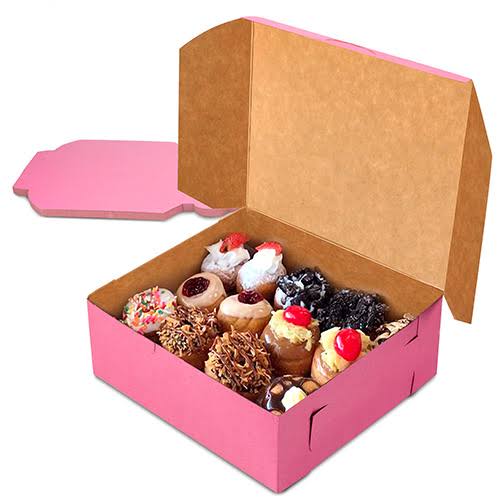
A cardboard box with holes is a versatile packaging solution designed to provide convenient handling, improved product visibility, or better air circulation. Unlike standard cardboard boxes, these packages feature strategically placed openings that serve specific purposes depending on the product and its packaging requirements. They are widely useful for food businesses, agricultural suppliers, retailers, manufacturers, and e-commerce companies.
Whether you need ventilation cardboard box with holes for fresh produce, hand holes for easy carrying, or display cutouts to showcase products, a cardboard box with holes can be customized to suit your needs. With different sizes, materials, shapes, and printing options available, businesses can create packaging that balances functionality, product protection, and presentation.
A cardboard box with holes is a packaging container that includes openings cut into one or more panels. The openings can be small and circular, rectangular, oval-shaped, or designed in another shape according to the intended application.
Some boxes use holes to support airflow, while others feature handholds that make carrying easier. Display-style boxes may have larger cutouts that allow customers to see the contents without opening the package completely.
These boxes can be manufactured from standard cardboard, kraft paperboard, or corrugated cardboard. The best material depends on the product's weight, fragility, storage conditions, and transportation requirements.
A well-designed box combines useful openings with sufficient structural strength to keep the contents secure during handling and delivery.
Ventilation holes can support airflow inside packaging for products that benefit from air movement. This is particularly relevant to selected fresh produce, agricultural goods, and certain bakery products.
Appropriately positioned holes may help reduce the buildup of trapped heat and moisture under suitable conditions. The size and number of openings should be determined by the product's requirements.
Ventilation does not replace proper temperature control or food-safety procedures. Perishable products must still be stored and transported under suitable conditions.
Cardboard boxes with handle holes are designed to make lifting and carrying more convenient. The openings provide grip points that can help users move packages without holding the box underneath.
These boxes are useful for selected retail items, gift packaging, takeaway orders, and lightweight products.
The size and placement of the handles are important because holes can weaken cardboard panels. For heavier products, reinforced openings and stronger board grades may be required.
A cardboard box with a display hole can allow customers to see part of the product inside. This feature can make packaging more appealing in retail environments and help shoppers identify products quickly.
Display openings can be incorporated into packaging for accessories, gifts, promotional products, and selected consumer goods.
If the contents need protection from dust, moisture, or contamination, a transparent window or protective covering may be more suitable than an uncovered hole.
Cardboard boxes with holes can be customized to meet specific business requirements. Companies can choose the dimensions, cardboard thickness, opening shape, number of holes, and printing design.
Custom packaging can include company logos, product information, brand colors, handling instructions, and other relevant details.
This flexibility allows businesses to create packaging that supports daily operations while maintaining a consistent brand appearance.
Cardboard is widely used for packaging because it can be produced in many shapes and sizes. A box designed around a product may reduce unnecessary empty space and help simplify packing procedures.
For businesses ordering regularly, standardized box designs can also make inventory management easier.
The total cost depends on the material, dimensions, cutting requirements, printing, production quantity, and shipping arrangements. The most suitable design is one that meets product protection needs without adding unnecessary complexity.
Ventilated cardboard boxes contain small openings that encourage air movement. They are often considered for fruits, vegetables, flowers, and selected agricultural products.
The design should account for product weight, moisture exposure, stacking requirements, and transportation conditions. Ventilation openings must be balanced with the need for adequate box strength.
Handle-hole boxes include openings on the sides or top to provide convenient grip points. They can be used for takeaway packaging, retail products, gift sets, and lightweight household goods.
Businesses can customize the handle shape and position according to how the package will be carried. For heavier loads, testing is important to ensure that the opening does not tear during normal use.
Display boxes feature cutouts that show selected parts of the contents. They are useful for retail packaging where product visibility can improve presentation.
A cutout can be coordinated with the printed design to highlight a logo, product color, or particular feature. Where protection is important, a suitable transparent window can cover the opening.
Corrugated cardboard boxes feature a fluted paper layer between liner sheets. This construction can provide greater rigidity and cushioning than many lightweight paperboard options.
They are suitable for a variety of shipping and storage applications, provided the board grade and box construction match the product's weight and handling conditions.
Some packaging designs require several openings for ventilation, visibility, or handling. Custom configurations can be created by adjusting the number, size, and placement of the holes.
Multiple cutouts should be planned carefully to preserve the structural strength of the box, particularly around corners, folds, and areas that support weight.
Food businesses may use boxes with holes for selected bakery products, takeaway orders, and food distribution. Ventilation can help steam escape from certain hot products, while handle holes can make packages easier to carry.
Materials intended for direct food contact should meet the applicable food-safety requirements.
Farmers, wholesalers, and produce distributors may use ventilated cardboard boxes for selected fruits and vegetables. Openings can support air movement during storage and transportation.
The box must also be strong enough to hold the product and withstand expected stacking loads. Additional moisture protection may be necessary in certain environments.
Retailers can use cardboard boxes with holes to showcase products or improve handling convenience. Display cutouts may help customers view the contents, while handholds can make selected packages easier to transport.
For e-commerce shipments, openings should not compromise protection against impact, dust, or other distribution hazards. Internal inserts and cushioning may still be needed.
Cosmetic brands and gift businesses can use cardboard packaging with display holes for selected products and gift sets. Custom printing and carefully placed cutouts can create an attractive presentation.
Fragile items, such as glass bottles, should be secured with suitable internal supports to prevent movement and breakage.
Manufacturers may use boxes with hand holes to move lightweight components, supplies, and packaged parts. Custom openings can improve access and simplify handling in warehouses and production facilities.
The material and design should match the load. Heavy or unusually shaped products may need reinforced construction or a different packaging solution.
Selecting the right box begins with understanding the product and how it will be packaged, stored, and transported.
Measure the product: Determine its length, width, and height, including any protective wrapping.
Choose the material: Select paperboard or corrugated cardboard according to product weight and protection requirements.
Identify the purpose of the holes: Decide whether you need ventilation, carrying handles, or product display.
Plan the opening position: Avoid placing cutouts where they could weaken important structural areas.
Consider printing: Add logos, product details, or handling instructions if required.
Evaluate storage conditions: Consider moisture, temperature, stacking, and transportation.
Test a sample: Check the fit, handling, and structural strength before ordering in large quantities.
These steps help ensure that the finished packaging performs as intended.
Custom cardboard boxes with holes can combine functional design with professional branding. Businesses can print their logos, product names, instructions, and brand colors directly onto suitable cardboard packaging.
For example, a produce supplier may prefer a simple design with ventilation openings, while a retail business may choose a printed box with a display cutout. A gift brand might use a handle-hole design to make packages easier to carry.
When planning a custom order, provide accurate measurements and clearly explain the purpose of each opening. A sample can help confirm that the design provides the right balance of appearance, strength, and usability.
Businesses interested in more sustainable packaging can consider boxes made from recyclable paper-based materials or cardboard containing recycled fibers.
The openings can be incorporated into the box design without necessarily requiring additional plastic components. However, environmental performance depends on the complete packaging structure, including coatings, adhesives, inks, and local recycling facilities.
Uncoated cardboard is generally more compatible with paper recycling where accepted, while certain laminations and mixed materials may complicate recycling. Businesses should confirm material specifications with their supplier.
Choosing the correct strength is also essential. Packaging should adequately protect products throughout transportation to help prevent avoidable product damage.
A cardboard box with holes is a flexible packaging option for businesses that need ventilation, convenient carrying, or improved product visibility. From agricultural cartons and bakery packaging to retail displays and industrial supplies, these boxes can be adapted to different products and operational requirements.
The most effective design depends on selecting suitable cardboard, the correct dimensions, and carefully positioned openings that do not compromise structural strength.

This post has been authored and published by one of our premium contributors, who are experts in their fields. They bring high-quality, well-researched content that adds significant value to our platform.






UK Packages Boxes provides helpful packaging guides, shipping advice, storage solutions, and industry insights for businesses and individuals across the UK.
