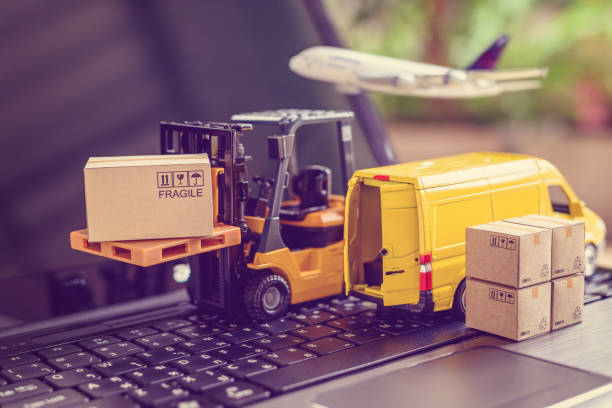
Parcel consolidation in UK warehouses is a logistics process where multiple smaller shipments are combined into one larger shipment for delivery efficiency and cost reduction across supply chains.
This approach is widely used by ecommerce businesses and importers who receive goods from different suppliers and want to reduce shipping costs and simplify international delivery operations effectively.
UK warehouses play a key role by receiving parcels from various origins, inspecting them, and combining them into a single shipment before dispatching to final destinations across regions.
Consolidation helps businesses improve delivery speed and reduce environmental impact by minimizing repeated transport trips, making logistics smoother, more sustainable, and easier to manage for growing companies today.
Businesses use consolidation services in UK warehouses mainly to reduce shipping expenses by merging multiple orders into a single shipment, lowering per unit transportation costs significantly for operations.
It also helps companies manage inventory more efficiently by centralizing goods in one location, allowing better tracking, improved organization, and fewer errors in handling multiple supplier shipments.
For international sellers, consolidation reduces customs complications by grouping products under one shipment, simplifying documentation and clearance processes at borders while ensuring faster movement through logistics channels.
Overall, consolidation services improve operational efficiency, reduce complexity, and help businesses scale faster by streamlining logistics processes and enabling better coordination between suppliers, warehouses, and delivery networks.
The consolidation process begins when parcels arrive at a UK warehouse from multiple suppliers, where each shipment is logged, labeled, and checked for accuracy and condition.
Next, warehouse staff sort parcels based on destination, category, or customer order, ensuring that all relevant items are grouped properly before being prepared for consolidation and packaging.
After sorting, the warehouse team combines selected parcels into larger boxes or pallets, carefully optimizing space usage to minimize shipping costs while maintaining product safety during transport.
Finally, consolidated shipments are sealed, documented, and handed over to carriers for delivery, ensuring all tracking details are updated for smooth last mile distribution and customer satisfaction.
Modern UK warehouses rely heavily on advanced technology like warehouse management systems to track parcels in real time and ensure accurate consolidation of multiple incoming shipments efficiently.
Barcode scanning and RFID systems help automate parcel identification, reducing human error and speeding up the sorting and grouping process for faster warehouse operations and improved accuracy.
Automation tools also assist in optimizing storage space and planning consolidation strategies, ensuring that shipments are combined in the most cost effective and organized manner possible daily.
With data analytics, warehouses can predict shipment volumes and improve planning, helping businesses make smarter logistics decisions and reduce delays in the consolidation and dispatch process overall.
One of the biggest advantages of parcel consolidation in UK warehouses is significant cost savings on international and domestic shipping by reducing the number of separate deliveries required.
Businesses also save on packaging materials and handling fees because multiple parcels are combined into one shipment, minimizing operational expenses and improving overall logistics budget efficiency significantly.
Consolidation reduces fuel and transport costs as fewer vehicles are required for deliveries, making logistics more economical and environmentally friendly for businesses operating at scale globally.
Over time, these savings allow companies to reinvest in growth, marketing, and product development while maintaining a lean and efficient supply chain structure across multiple regions effectively.
Despite its benefits, parcel consolidation in UK warehouses can face challenges such as delays when waiting for all supplier shipments to arrive before combining them together properly.
Inventory mismatches and incorrect labeling can also create confusion during sorting, leading to errors in consolidation and potential delays in the overall shipping and delivery process execution.
Space limitations in warehouses may restrict the ability to store large volumes of incoming parcels, especially during peak seasons when demand and shipment frequency increase significantly quickly.
Additionally, coordination between multiple suppliers and logistics partners can become complex, requiring strong communication systems and efficient tracking tools to ensure smooth consolidation operations consistently maintained.
Selecting the right UK warehouse partner is crucial for successful parcel consolidation, as experienced providers ensure accuracy, speed, and reliable handling of all incoming shipments consistently.
Businesses should look for warehouses with advanced technology systems, skilled staff, and strong logistics networks that support efficient consolidation and timely distribution across different delivery regions effectively.
Location is also important because warehouses closer to major transport hubs can reduce transit times and improve delivery speed, enhancing overall supply chain performance and customer satisfaction.
Reliable partners also offer flexible storage options and scalable services, allowing businesses to adjust operations based on seasonal demand and changing shipment volumes without operational disruptions easily.
To achieve efficient parcel consolidation, businesses should ensure accurate supplier coordination so that all shipments arrive on time and are properly documented before reaching the warehouse facility.
Maintaining clear labeling and standardized packaging helps warehouse staff quickly identify and sort parcels, reducing errors and improving overall speed and accuracy in the consolidation process workflow.
Using automated tracking systems allows businesses to monitor shipments in real time, ensuring better visibility and control over inventory movement throughout the entire logistics supply chain.
Regular communication between warehouses, suppliers, and carriers ensures smooth operations, minimizing delays and improving efficiency in consolidated shipping and final delivery execution across all regions consistently.
The future of parcel consolidation in UK logistics is expected to be driven by increased automation, artificial intelligence, and smarter warehouse systems that optimize shipping efficiency.
As ecommerce continues to grow, demand for faster and cheaper delivery will push warehouses to adopt more advanced consolidation techniques and real time tracking solutions globally.
Sustainability will also play a major role, with businesses focusing on reducing carbon emissions through optimized shipping routes and fewer individual transport movements across supply chains.
Overall, technological advancements will make consolidation faster, more accurate, and more cost effective, transforming UK warehousing into a highly efficient logistics hub for global commerce expansion.

This post has been authored and published by one of our premium contributors, who are experts in their fields. They bring high-quality, well-researched content that adds significant value to our platform.












UK Packages Boxes provides helpful packaging guides, shipping advice, storage solutions, and industry insights for businesses and individuals across the UK.