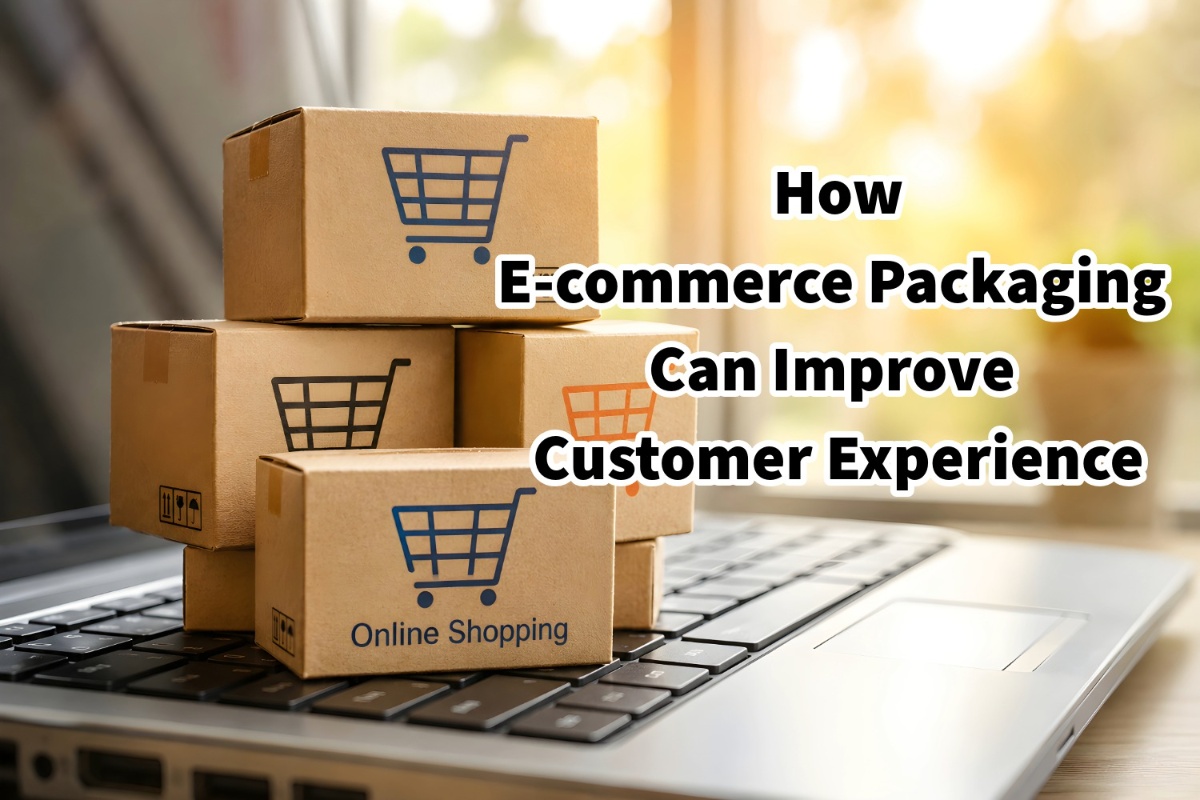
E-commerce has changed the way people shop. Customers can now order products from their phones or computers and have them delivered directly to their homes. While the product itself remains the most important part of the purchase, the packaging can also influence how customers feel about a brand.
E-commerce packaging is more than a way to protect products during delivery. It can shape the customer's first physical interaction with an online brand. A well-designed package can create a positive impression, protect the product, make the unboxing experience easier, and encourage customers to remember the business.
For online retailers, choosing the right packaging boxes can therefore become an important part of the overall customer experience.
E-commerce packaging refers to the boxes, mailers, protective materials, inserts, labels, and other packaging products used to prepare online orders for delivery.
Unlike packaging used in physical stores, e-commerce packaging needs to withstand transportation, handling, sorting, and delivery. Products can pass through multiple stages before reaching the customer.
The packaging therefore needs to perform two important functions. It should protect the product while also providing a convenient and professional experience for the person receiving the order.
Depending on the product, an online business may use cardboard boxes, corrugated boxes, padded mailers, envelopes, protective inserts, tissue paper, or other packaging materials.
The customer experience does not begin when a customer opens a product. It starts much earlier, from browsing the website to placing an order and receiving the delivery.
For online retailers, a clear and easy-to-use website is another important part of the buying journey. Businesses can learn how to build a website without coding when creating or improving their online store.
Packaging becomes especially important because it is often the first physical interaction a customer has with an online business.
Imagine ordering a product and receiving it in a damaged, oversized, or poorly sealed box. Even if the product inside is perfectly fine, the packaging may create doubts about the quality of the business.
On the other hand, a secure and well-presented package can make the delivery feel more professional.
This is why packaging for e-commerce businesses should be considered part of the overall customer journey rather than simply a shipping requirement.
One of the most important roles of e-commerce packaging is protecting products during transportation.
Packages can be moved, stacked, dropped, or exposed to different weather conditions during delivery. Fragile products may require additional protection to reduce the risk of damage.
A suitable packaging box should provide enough space for the product and any protective materials without leaving excessive empty space.
Depending on the product, businesses may use:
The right combination depends on the product's size, weight, shape, and fragility.
When products arrive safely, customers are less likely to experience disappointment, returns, or replacement issues.
Using the right box size can make a noticeable difference.
A box that is much larger than the product may require excessive protective material and can make the order feel unnecessarily bulky. An undersized box may not provide enough protection.
Choosing appropriately sized shipping boxes can help businesses create a more secure and efficient package.
The size of the box can also affect shipping costs. Larger packages may take up more space during transportation, while unnecessarily heavy packaging can increase the overall weight of the shipment.
For customers, appropriately sized packaging can make parcels easier to handle, store, and dispose of after opening.
The first physical impression of an online order can influence how customers perceive a brand.
A plain box is perfectly suitable for many businesses, but thoughtful presentation can make the experience more memorable.
Businesses can use branded packaging, printed boxes, stickers, labels, tissue paper, or simple inserts to create a consistent identity.
The goal does not have to be expensive packaging.
Even small details can make a package feel more carefully prepared. A clean box, secure sealing, clear labeling, and organized presentation can communicate professionalism.
For businesses selling premium products, branded e-commerce packaging can also help reinforce the positioning of the product.
Unboxing has become an important part of online shopping.
Customers may share their purchases through photographs, videos, reviews, or social media posts. A well-presented package can make the process of opening an order more enjoyable.
A good unboxing experience does not necessarily require complicated packaging.
Simple details such as:
can improve the experience.
The key is to make the package feel intentional rather than difficult to open.
Packaging should protect a product without creating unnecessary frustration.
Customers generally do not want to spend several minutes struggling with excessive tape, complicated layers, or difficult-to-remove materials.
Easy-open packaging can make the delivery experience smoother.
For example, tear strips, convenient opening tabs, simple folding designs, and clearly placed labels can make a difference.
This is particularly useful for products that customers order regularly. If the packaging is easy to open and dispose of, customers may develop a more positive impression of the brand.
Environmental concerns are becoming increasingly relevant to packaging decisions.
Many customers are paying more attention to the amount and type of packaging used by businesses. Excessive plastic, unnecessary packaging layers, and oversized boxes can create a negative impression.
Businesses can consider alternatives such as recyclable cardboard, paper-based protective materials, reusable packaging, or appropriately sized boxes.
However, sustainability should not come at the expense of product protection.
A package that uses less material but allows products to arrive damaged can create a poor customer experience. Businesses need to balance environmental considerations with durability and product safety.
Using the right amount of packaging can help reduce waste while still protecting the order.
Online businesses do not have the same physical storefront experience as traditional retailers.
Packaging can partly fill that gap.
A customer may interact with a brand through its website, social media profiles, emails, and advertisements before receiving the product. Branded packaging can connect these digital experiences with the physical delivery.
A business could use its logo, brand colours, typography, or a simple printed message on its packaging.
Over time, consistent packaging can help customers recognise the business when a new order arrives.
For smaller e-commerce businesses, this can be a relatively simple way to make deliveries feel more professional.
Personalization can add another layer to the customer experience.
A simple thank-you message or personalized card can make an order feel less transactional.
Businesses can also include useful product information, care instructions, discount codes for future purchases, or information about loyalty programmed.
The important point is to keep the information relevant.
Customers are more likely to appreciate packaging inserts that provide useful information rather than excessive promotional material.
Poor packaging can lead to damaged products, missing components, or customer complaints.
If a product arrives broken because it was not adequately protected, the customer may need to contact the business, request a replacement, or return the item.
This creates additional work for both sides.
Effective packaging for shipping can reduce some of these problems by protecting products throughout the delivery process.
Businesses should consider the product's characteristics and the conditions it may experience during transportation when choosing packaging materials.
Testing different packaging designs before using them at scale can also help identify potential weaknesses.
Returns are an unavoidable part of many e-commerce businesses.
Packaging can make the process easier when it is designed with returns in mind.
For example, reusable boxes, resealable strips, clear instructions, and appropriately sized packaging can make it easier for customers to return products.
A simple returns experience can reduce frustration and make customers more comfortable purchasing from an online business.
This is particularly important for industries where customers may regularly order multiple products and return some of them.
There is no single packaging solution that works for every e-commerce business.
A clothing retailer may use mailing bags or lightweight boxes, while a business selling electronics may need stronger protective packaging.
A cosmetics company may focus more heavily on presentation, while a furniture retailer may require heavy-duty packaging.
Businesses should consider:
Choosing packaging based on these factors can help businesses create a better balance between protection, presentation, and cost.
Businesses operating in the UK need to consider both customer expectations and practical delivery requirements.
The first step is understanding the products being shipped and identifying where damage or packaging problems are most likely to occur.
Businesses can then test different packaging boxes and protective materials. Technology can also help businesses manage inventory, customer communication, and everyday operations more efficiently. Explore these AI tools for small businesses to discover tools that can support growing e-commerce operations.
It is also useful to measure packaging performance over time. Businesses can track damaged deliveries, customer complaints, returns, packaging costs, and customer feedback.
This information can help identify whether a particular packaging solution is working effectively.
For businesses handling a growing number of orders, standardizing packaging sizes can also make packing and fulfilment more efficient.
Several packaging mistakes can negatively affect the customer experience.
Large boxes can increase material use, shipping space, and handling requirements.
Insufficient protection can increase the risk of damage during transportation.
Excessive tape and complicated packaging can frustrate customers.
Packaging that looks messy or poorly prepared can affect how customers perceive the brand.
Unnecessary layers of packaging can increase waste and make disposal more difficult.
Packaging that cannot be reused or resealed can make returns more complicated.
Avoiding these mistakes can help businesses create a smoother experience from delivery to unboxing and, when necessary, return. Businesses can also learn more about packaging boxes and how branded packaging can support product presentation and customer experience.
Customer loyalty is influenced by many factors, including product quality, pricing, service, delivery, and overall experience.
Packaging is only one part of that process, but it can reinforce the customer's perception of a business.
When an order arrives safely, looks professional, is easy to open, and does not contain unnecessary packaging, customers may associate those details with a well-organized business.
A positive packaging experience can also encourage customers to share photographs or recommend the brand to others.
The packaging itself is unlikely to create customer loyalty on its own. However, when combined with good products and reliable service, it can contribute to a stronger overall experience.
E-commerce packaging can improve the customer experience in several ways. It protects products during delivery, creates a professional first impression, supports better unboxing experiences, and can make opening and returning products easier.
The right packaging can also help businesses reduce damage, control shipping requirements, support sustainability goals, and strengthen brand recognition.
For UK e-commerce businesses, the best approach is not necessarily to choose the most expensive packaging. Instead, businesses should choose packaging that fits the product, protects it properly, represents the brand, and provides a convenient experience for the customer.
As online shopping continues to grow, packaging will remain an important part of the journey between clicking the “buy” button and receiving the product at the customer's door.

This post has been authored and published by one of our premium contributors, who are experts in their fields. They bring high-quality, well-researched content that adds significant value to our platform.










UK Packages Boxes provides helpful packaging guides, shipping advice, storage solutions, and industry insights for businesses and individuals across the UK.
